Why Experiential Luxury Is Making a Comeback: What History Already Knew
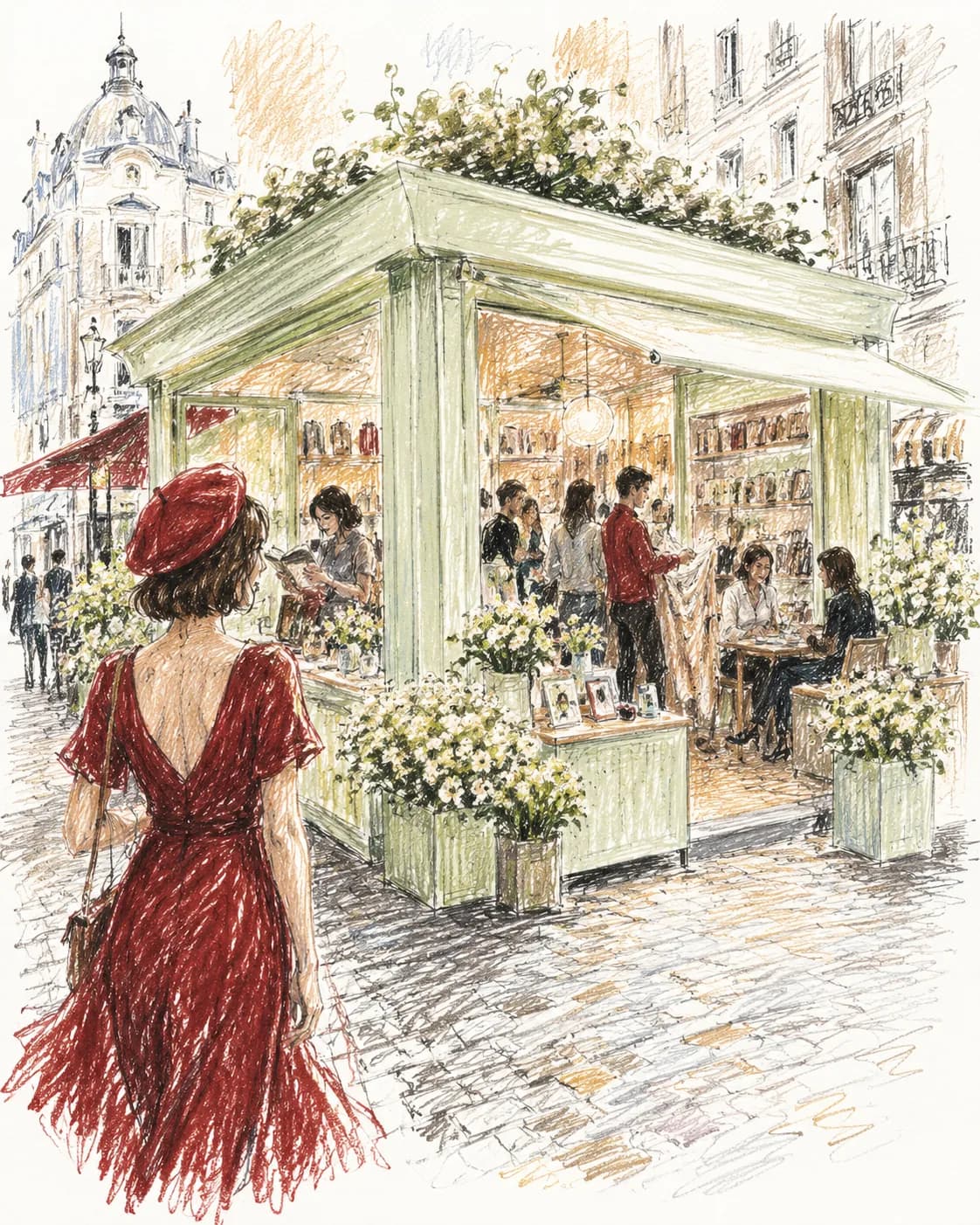
The retail experience, luxury or otherwise, was never simply about buying what a seller had to offer. From the beginning of time, markets were alive with more than merchandise. There were performers rope-walking above crowds, musicians singing or playing their instruments, sometimes shooed away and sometimes deliberately invited in. Oud sellers sprayed fragrance into the air. Food sellers handed out samples. A market was a charged exchange, a social contract with countless variables leading to its conclusion.Every time someone returned from the market, they carried back more than what was on their list. Perhaps they had bought something necessary. Perhaps they had discovered something entirely new, something that allowed them to imagine, even briefly, a new version of themselves.This is the sentiment, and human nature, that the most perceptive brands in the world are now remembering. Experiential luxury is not a new invention as much as it is a return to an older culture of commerce.
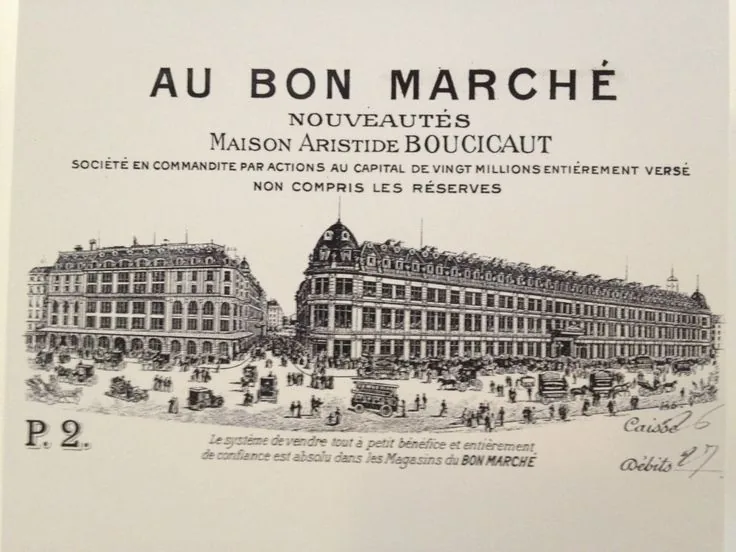
The history that makes this moment so resonant does not begin in brand decks, but in city streets. In Paris, on the Left Bank, it takes shape through a former shop assistant named Aristide Boucicaut and the radical world he built at Le Bon Marché. From promenades to department stores, from bazaars to today’s immersive retail spaces, this article traces how the markets we love were always about atmosphere, belonging, and desire, long before they were about checkout.
From Where Came This Social Floor?
With Aristide Boucicaut, the ambition was a new way of thinking about public space itself. At Le Bon Marché, entry was free, there was no obligation to buy, customers could touch the merchandise, prices were fixed, and haggling was removed from the equation. With fixed prices came something that would become foundational to luxury itself: trust.By 1887, the store had expanded into 74 departments, bringing together silk from Lyon, lace from Calais, wool from Roubaix, drapes from Sedan. Its floors became a cartography of French pride, a curated vision of national craftsmanship made accessible. The aspiration was clear: spectacle and scale could coexist.
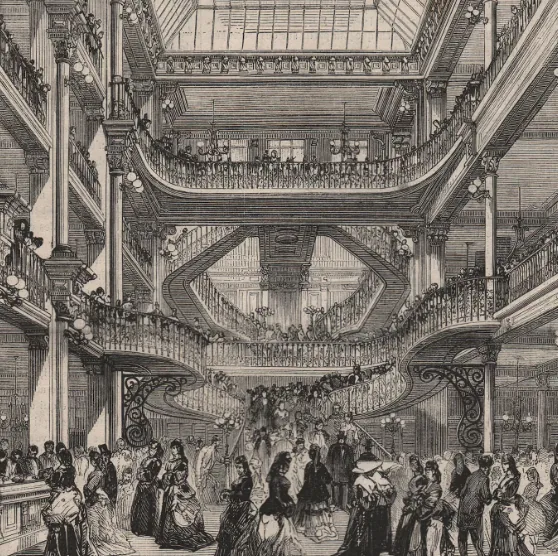
When the mail-order catalogue arrived in 1867, the store's imagination entered homes far beyond Paris, carrying with it images of what had been newly discovered within its corridors. Home delivery followed, granting many women a newfound autonomy and allowing them to participate in commerce beyond the social constraints that had long governed their movement through public spaces.Boucicaut also understood something today's luxury architects, designers, and experienced strategists know well: every sense matters. Grand staircases, light-filled atriums, seasonal displays, cultural programming, each visit was designed as an occasion in itself. One did not simply go shopping; one planned an afternoon around it. Émile Zola captured this beautifully in Au Bonheur des Dames, recognising that a new kind of experience was being constructed.From there came shopping malls, then big-box retail, then e-commerce, and finally the age of algorithms. Each evolution brought convenience, but also moved us a little further away from where we began: communities, belonging, memory, and the feeling of stepping into a world.

India followed a similar journey. The mall became a destination in itself before e-commerce quietly took over our phone storage and daily habits. Yet when Sabyasachi marked his 25th anniversary by returning to the streets, craftspeople, and cultural memory through his celebration, audiences responded with awe. It forced a subtle realisation: perhaps we had travelled too far in pursuit of convenience, even when convenience was not what we were truly seeking.Luxury brands eventually came to confront the same paradox. Never before had they been so visible through social media and global reach, yet never more physically absent from the lives of their customers. Endless scrolling, influencer endorsements, and performance marketing made shopping feel increasingly like content. Consumers grew weary.Something was missing.And it is precisely that absence that experiential luxury is now trying to bring back.
The Affair of Experiential Luxury
Experiential luxury is the industry's answer to that absence.The logic is remarkably similar to what history had already discovered worked best for attracting crowds: create a physical space so compelling that people will travel to it, linger inside it, and tell others about it. Replace the transaction with an experience.
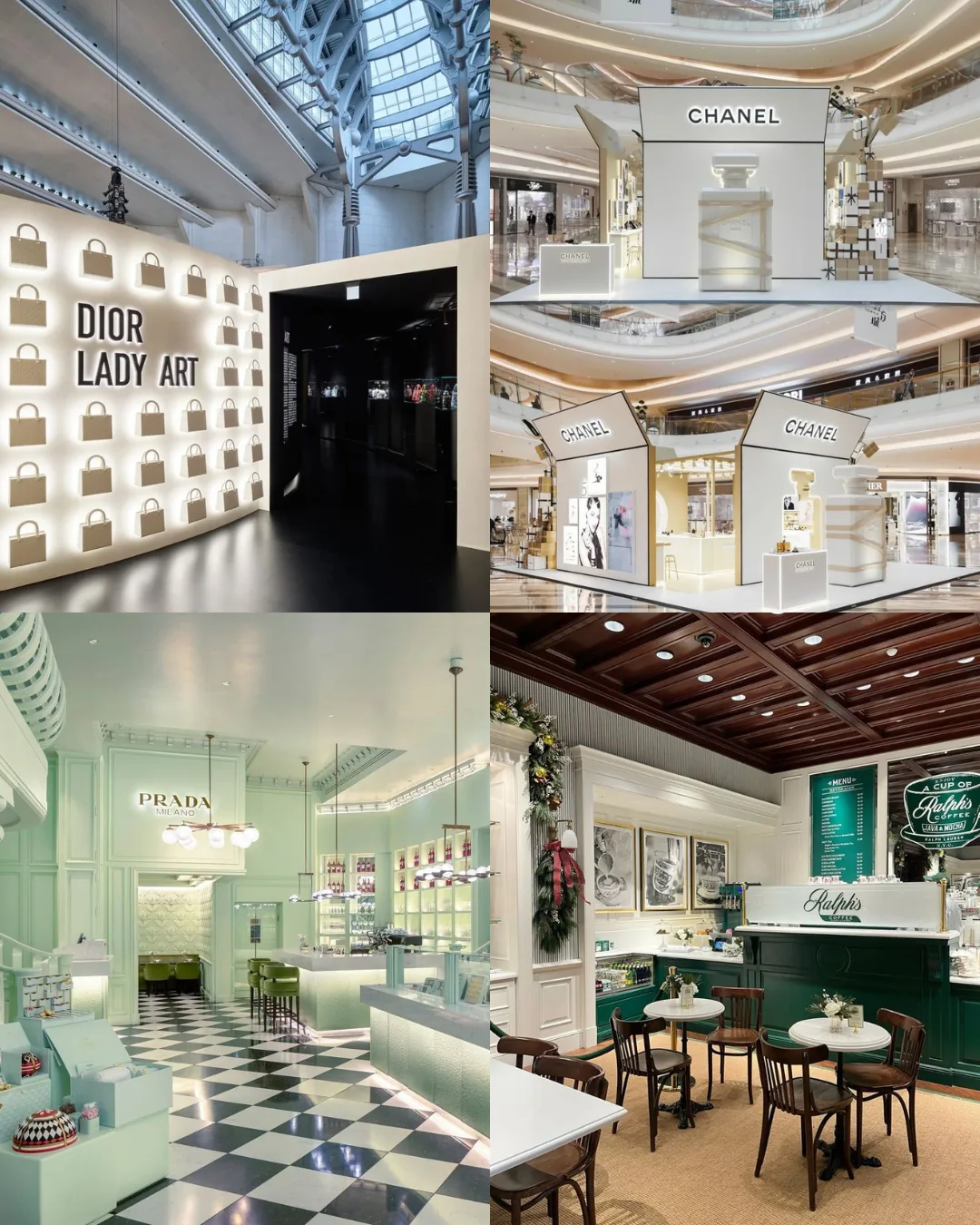
Perhaps most telling is the way luxury brands increasingly participate in cultural events such as Milan Design Week. These are not merely commercial exercises in expansion. They are declarations that the brand is invested in craft, design, culture, and the wider creative world. Art-led activations have become one of the most culturally legible expressions of this shift, inviting people into a universe rather than simply encouraging them to make a purchase.
Luxury Retail's Fate
The future of luxury retail may not belong to the brand with the best product, nor even the most elegant website. It may belong to the brand that can create the experience that is easiest, and most pleasurable, to remember.History has already shown us the enduring power of gathering people together around a shared atmosphere. The market, the promenade, the department store, the shopping arcade, all succeeded because they offered more than goods. They offered occasion, participation, and belonging.
In a world still recovering from the social isolation imposed by COVID-19, the desire for such spaces has only intensified. People are seeking places that feel human again, places where discovery happens slowly and memories are formed naturally. There is a need for it, and there is a desire for it. That is why experiential luxury is everywhere.The irony, perhaps, is that none of this is entirely new.The room already existed.Luxury brands are simply returning to what commerce understood from the very beginning: people rarely remember the transaction itself. They remember how a place made them feel.
Vanshika Verma
Founder & Editor-in-Chief
Vanshika Verma founded Strategist’s Cut to explore the intersection of fashion, law, and capital. Drawing from research training and experience inside a fashion brand, her work examines how influence, markets, and cultural power are structured. With a background in legal analysis, market research, and digital media, she approaches publishing as a way to decode the systems shaping fashion, luxury, and business.