Print Is Back and Luxury Brands Are Funding It: What Do They Know That Digital Advertisers Don't?
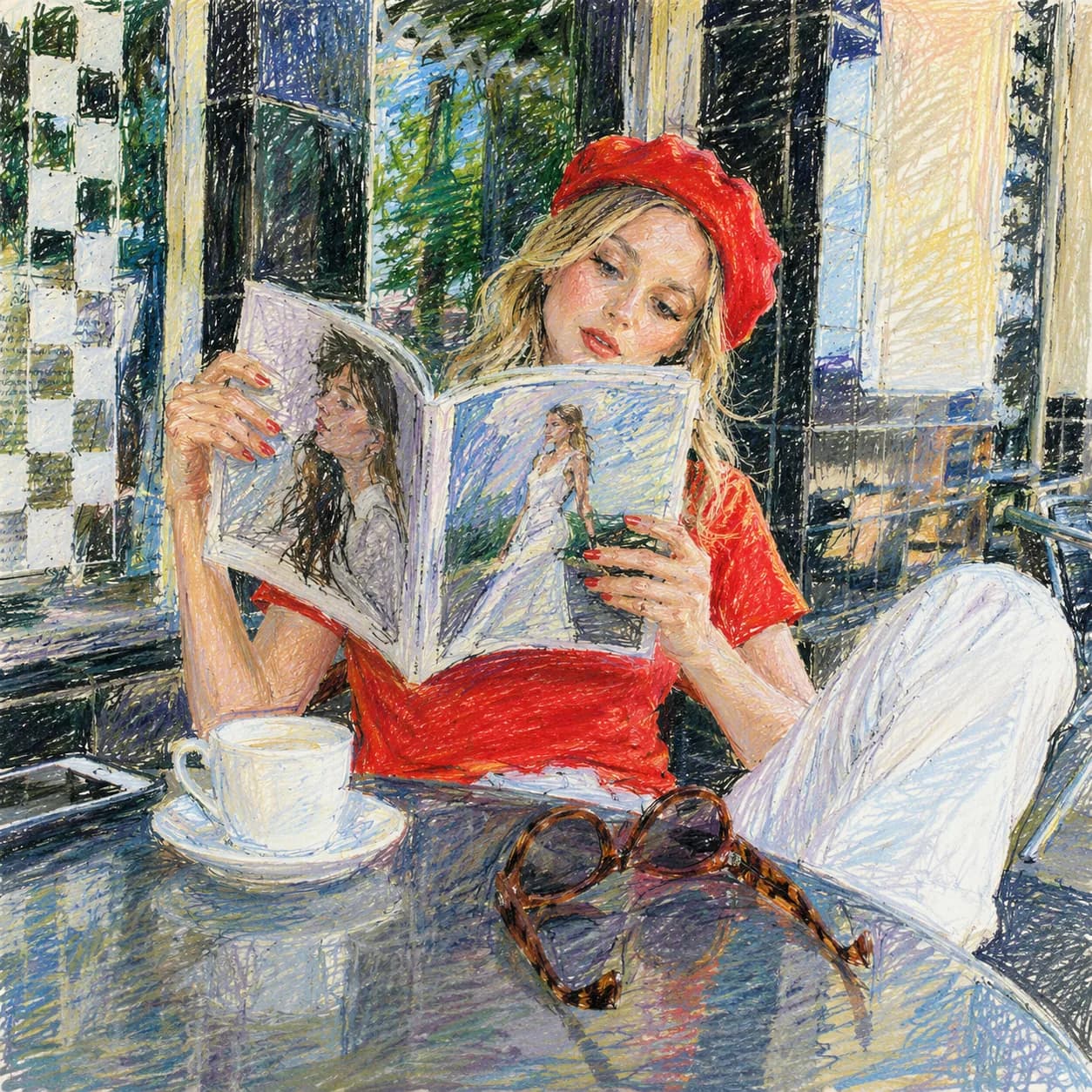
Life has a funny way of coming full circle. When everyone sprinted towards the sparkless, future-wireless age, the wired earphone became the “2006 is so back” rebel accessory. Now consider yourself in 2026, holding a magazine, not reading from an app or scrolling a feed. Actually holding a physical object someone designed, printed, and shipped to you with the expectation that you’d sit still long enough to care. That, in 2026, is its own kind of radical act.There is almost something viscerally different about it. The ink on the glossy paper smells faintly; these pages don’t refresh, and if your buttery, oily fingers leave a smudge on the glossy spread, it stays there as evidence that you did, in fact, touch it. There is no retargeted sneaker chasing you from page to page. No pixel logging how many seconds your eyes rested on a headline.For three decades, the media industry evolved, groomed itself, and treated these qualities as liabilities: the things print could not do, the ways it would lose. Turns out, for the reader who actually cares, these supposed flaws are exactly what make print feel luxurious now.Luxury brands understood this sentiment before anyone else had the courage to go back to print. While performance marketers spent two decades chasing click-through rates and eulogising the death of the third-party cookie, the great fashion houses leaned the other way: Chanel released its Arts & Culture Magazine, a sophisticated, 250-page publication that looks back on five years of collaborations with artists and cultural institutions worldwide. This is just one example to give you the idea. This article is about why they were right to do it, and what that tells the rest of us about attention, desire, and what advertising is actually for.
The Print Media Paradox
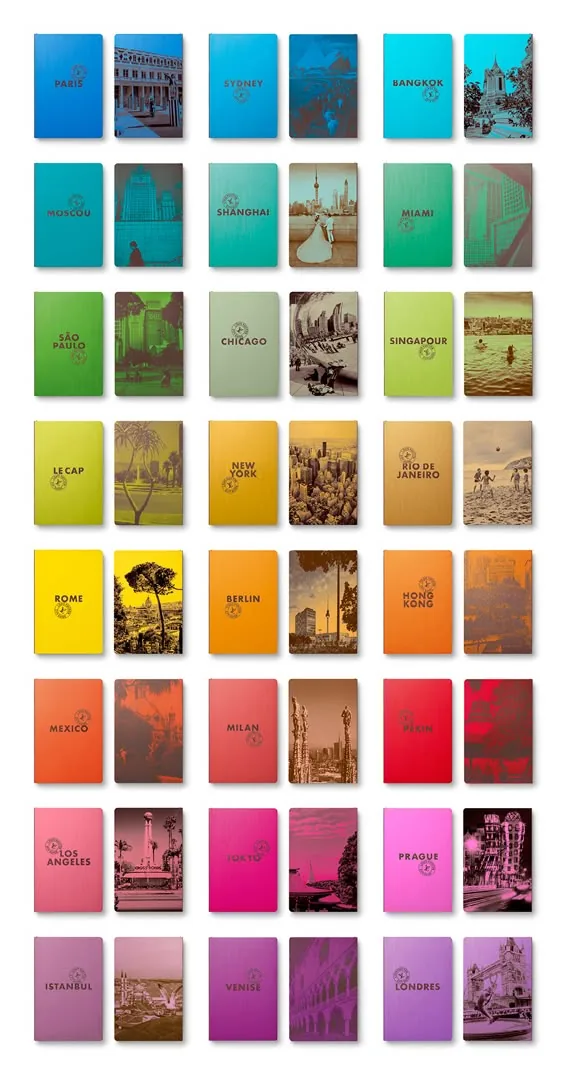
Whilst print media could be intuitively understood as shrinking, luxury brands are moving towards it with surprising clarity. Not because they have missed the digital revolution, but because they understand something digital advertising keeps forgetting: when everything is available to everyone through one click, the premium factor starts to die.Luxury has never only been about ownership. It has also been about delay, distance, ritual, and the feeling that something was made with enough care to ask for your attention in return. That is why print works so neatly inside the world of experiential luxury. It slows the consumer down. It makes the high-end purchase feel less like a transaction and more like entry into a world.This is true for high-net-worth individuals who still prefer luxury content through physical media like books, journals, and magazines, driven by the desire for deeper immersion. But it is also true for Gen Z, who are part of this shift in their own strange and beautiful way. They want something tangible, collectible, and a little resistant to the speed of everything else. Call it nostalgia for something they never properly witnessed, or the same instinct that brought vinyl, film cameras, and wired earphones back into style. Either way, the pattern is clear: the object matters again.And the data backs this all. Print magazine advertising generates stronger brand recall than digital marketing because the reader is not simply being exposed to an ad; they are spending time with it. Studies using eye tracking and biometric measures have found that print ads create higher engagement than digital ads. Other research using functional magnetic resonance imaging, or fMRI, found that print ads triggered more activity in the hippocampus and parahippocampal areas, the parts of the brain closely tied to memory and context. In simpler terms, people do not just see print differently, they also remember it differently.Today, luxury brands want you to feel immersed, at home but in a new home, which is their home. So the magazine, the guide, the journal, the printed object becomes less of a marketing channel and more of a cultural artifact, you remember them by.Louis Vuitton’s travel books and city guides, with over 100 editions published since 1998, feature collaborations with renowned artists and writers. Hermès’ Le Monde d’Hermès, published twice yearly since 1973, is mailed directly to clients and available in boutiques, serving as a communication channel that feels personal. These brands are building worlds strong enough to survive beyond what an algorithm can surface and beyond what a feed can bury.

Print Media and Brand Building Today
Away from luxury brands using every bit of tenacity to show you what they hold, the independent magazine boom reveals something quieter, and commercially sharper, being finally noticed. A double-page spread read by architects, stylists, designers, and culturally engaged consumers can hold more value than a funded digital campaign reaching millions with uncertain intent.Print offers what algorithms cannot manufacture: trust, stillness, and voluntary attention. A reader sitting through a peaceful coffee hour with a magazine in hand is not doom-scrolling, not being interrupted, not half-watching something while another tab waits. They are giving the page a kind of attention that feels almost rare now. That psychological environment is where desire, the real currency driver for luxury, begins to form its roots.The future of luxury print might travel through retail, books, artist collaborations, and hybrid formats, but paper is not simply back because it is nostalgic. It is loved for that sentiment, yes, but it is back for business because permanence and tangibility give a brand an edge no clickbait can. In a culture where everything refreshes, disappears, and competes to be glanced at, the printed page still knows how to stay.

Vanshika Verma
Founder & Editor-in-Chief
Vanshika Verma founded Strategist’s Cut to explore the intersection of fashion, law, and capital. Drawing from research training and experience inside a fashion brand, her work examines how influence, markets, and cultural power are structured. With a background in legal analysis, market research, and digital media, she approaches publishing as a way to decode the systems shaping fashion, luxury, and business.